

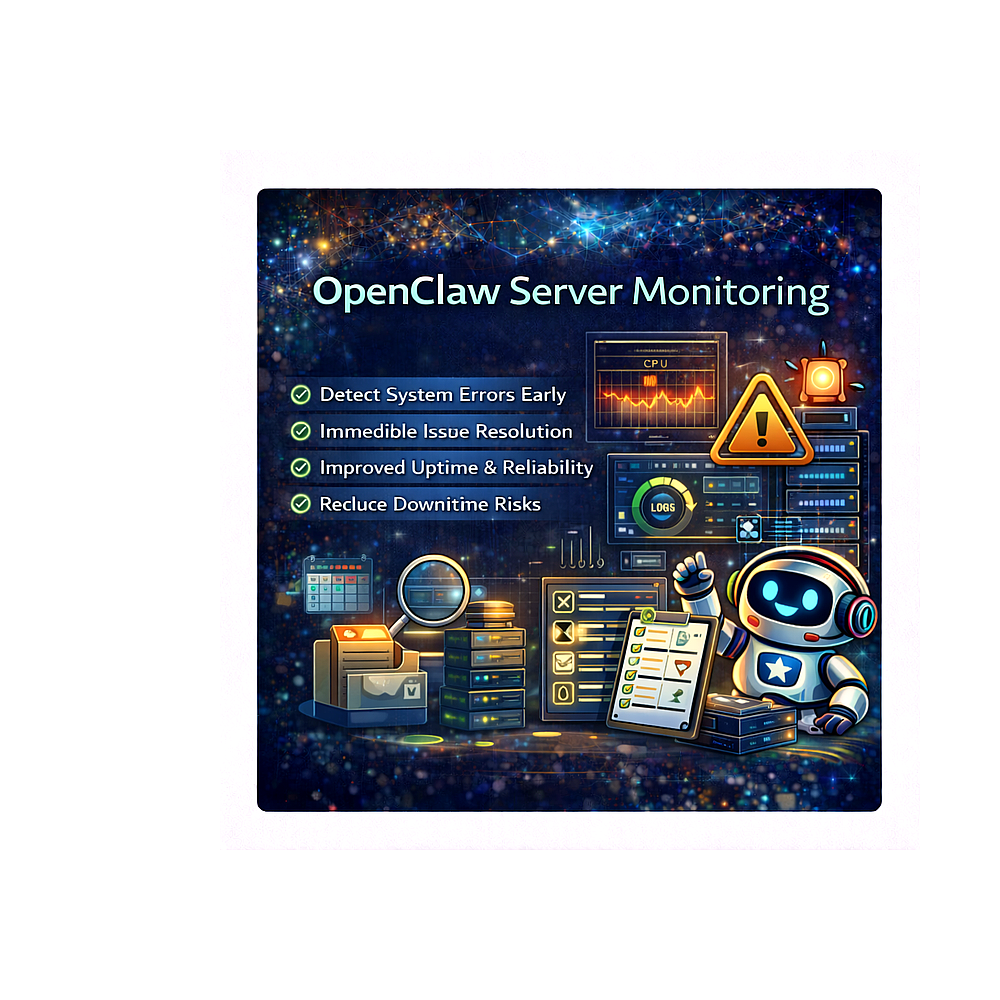
Maintaining a reliable OpenClaw environment requires more than just installation and basic configuration. Continuous OpenClaw server monitoring is essential for identifying performance issues, detecting system errors, and preventing unexpected downtime. Without proper monitoring, minor issues such as memory spikes, misconfigured tasks, or network delays can escalate into serious problems, causing workflow interruptions, lost data, or server crashes.
Effective openclaw server monitoring
Effective OpenClaw server monitoring allows administrators to track server health, analyze performance metrics, and respond quickly to system warnings. Implementing the right monitoring strategies helps businesses maintain a stable OpenClaw environment, improve automation reliability, and minimize operational risks. Proper monitoring also provides valuable insights that can guide server optimization over time, ensuring long-term performance and stability.
Class wp block heading
Why OpenClaw Server Monitoring Is Important
Without consistent OpenClaw server monitoring, server issues may go unnoticed until they impact operations. High CPU usage, memory overload, or application errors can slow down the system or even trigger a crash, resulting in lost productivity and potential revenue loss.
Strong benefits of openclaw
Benefits of OpenClaw server monitoring include:
- Early detection of system errors before they escalate
- Faster troubleshooting and resolution when problems occur
- Improved uptime and system reliability
- Better understanding of server performance trends and usage patterns
- Reduced risk of costly downtime affecting business operations
For instance, if CPU usage spikes during high-demand automation tasks, OpenClaw server monitoring can immediately alert administrators. Quick detection allows teams to adjust workflows or allocate resources proactively, preventing service interruptions and keeping automation running smoothly.
Real-Time Alerts for OpenClaw Server Monitoring
Real-time alerts are among the most valuable components of OpenClaw server monitoring. Monitoring tools notify administrators whenever server resources exceed safe thresholds or unusual activity is detected.
Alerts can be configured for events such as:
- CPU usage surpassing critical thresholds
- Memory consumption increasing unexpectedly
- Disk storage nearing full capacity
- Unusual network traffic indicating potential security issues
These alerts enable quick action, preventing performance bottlenecks, reducing downtime, and ensuring effective OpenClaw server monitoring.
Log Analysis in OpenClaw Server Monitoring
Regular log analysis provides critical insights into system behavior. Reviewing logs is a key part of OpenClaw server monitoring, helping detect hidden problems, unusual patterns, or potential security threats.
Through consistent log analysis, administrators can identify:
- Authentication failures or suspicious login attempts
- Application errors affecting workflows
- Server crashes or abnormal system activity
By integrating log monitoring with automated alerts, teams can enhance the overall effectiveness of OpenClaw server monitoring, proactively preventing disruptions.
Performance Tracking for OpenClaw Server Monitoring
Tracking performance metrics such as CPU, memory, and disk usage is another essential component of OpenClaw server monitoring. Monitoring these metrics helps administrators detect trends, predict potential problems, and optimize server resources accordingly.
Performance tracking ensures the server continues to operate efficiently, supporting automation workflows without delays or interruptions. It also helps administrators plan for future server upgrades or resource allocation.
Best Practices for Effective OpenClaw Server Monitoring
To maintain a high-performing OpenClaw environment, follow these OpenClaw server monitoring best practices:
- Use automated monitoring tools for 24/7 visibility
- Configure uptime alerts to detect server outages immediately
- Review logs regularly for unusual activity or errors
- Perform routine system health checks and resource audits
- Set threshold alerts for critical applications and services
These practices help maintain consistent OpenClaw server monitoring, reduce unexpected downtime, and provide actionable insights for optimizing server performance over time.
Proper OpenClaw server monitoring is essential for maintaining a secure, stable, and reliable OpenClaw environment. By implementing monitoring tools, analyzing logs, tracking performance metrics, and following best practices, administrators can detect issues early, prevent system failures, and ensure uninterrupted automation.
Consistent OpenClaw server monitoring not only improves system reliability but also provides actionable insights for future performance optimization. Investing in a strong monitoring strategy ensures your OpenClaw environment remains efficient, scalable, and capable of supporting advanced automation workflows. Prioritize OpenClaw server monitoring today to protect your server, maintain uptime, and maximize productivity.
Put OpenClaw to work
Ready for the next step? Compare OpenClaw plans and expert services, start a 15-day free trial, join the OpenClaw community, or book a free expert consultation.
Follow OpenClaw911: LinkedIn · Facebook · Instagram · TikTok · YouTube · X


